Disclosure: ShopBuyZones is reader-supported. When you buy through links on our site, we may earn an affiliate commission — at no extra cost to you.
There’s a particular kind of quiet you only find a few miles down a trail — no notifications, no traffic, just wind and your own footsteps. That’s the pull of outdoor adventure, and in 2026 it’s easier than ever to answer it. Trail apps have gotten better at routing around crowds, gear has gotten lighter and smarter, and a whole category of safety tech that used to be reserved for expedition climbers now fits in a jacket pocket for less than the cost of a nice dinner out.
This guide is for anyone standing at the edge of “I should get outside more” and wondering where to actually start — whether that means a two-hour loop trail this weekend or a three-day backpacking trip by next fall. We’ll walk through how to figure out what kind of adventure actually fits your life, what to pack so you’re not miserable (or worse, unsafe), and which specific pieces of gear are worth the money.
Finding Your Adventure Style
Before buying anything, it helps to know which flavor of “outdoor adventure” you’re actually chasing, because the gear list changes a lot depending on the answer.
The day hiker wants a few solid hours on a trail and to be home for dinner. Low commitment, low risk, and honestly the on-ramp for almost everyone who ends up loving the outdoors. The weekend backpacker is ready to carry a night or two of gear on their back and sleep somewhere without cell service. The car camper wants the campfire and the stars without giving up comfort — gear rides in the trunk, not on their spine. And the water-and-trail hybrid adventurer mixes paddling, swimming holes, or coastal routes into their hiking.
Most people are some blend of the first two, and that’s exactly who this guide is written for. The good news: the core skills and a surprising amount of the gear carry over between all four styles.
Planning a Day Hike That Doesn’t Go Sideways
Day hikes feel low-stakes, which is exactly why they cause the most rescue calls — people underestimate a 6-mile trail because it “isn’t backpacking.” A few habits fix almost all of that risk.
Check the actual trail conditions, not just the weather app for the trailhead — mountain and canyon weather can be wildly different from the town ten miles away. Tell a specific person your route and your expected return time, not a vague “going hiking today” text. Carry more water than you think you need (a good rule of thumb is a liter for every two hours of moderate hiking, more in heat). And pack the classic “ten essentials” in miniature: navigation, sun protection, insulation layer, a headlamp, first-aid basics, a fire source, a repair kit, extra food, extra water or a way to treat more, and emergency shelter like a lightweight bivy or space blanket.
The single upgrade that changes the safety math the most, though, is having a way to call for help when there’s no cell signal — which on most scenic trails is the default, not the exception.

Garmin inReach® Mini 2 Satellite Communicator
Two-way texting and SOS dispatch anywhere on the planet, even with zero cell signal — palm-sized, clips to a pack strap, and doubles as a basic GPS tracker for backtracking a route. The single most impactful safety purchase for anyone who hikes beyond cell range regularly.
Check today’s price on Amazon (frequently discounted)
Check Price at Amazon →It requires a subscription plan to send messages, which feels like a lot for a device you might use twice a year — until the one time you actually need it, at which point it’s the cheapest insurance you’ll ever buy.
Leveling Up to Overnight Trips
The jump from day hiking to an overnight changes exactly one thing structurally: now you’re responsible for water, sleep, and food away from any resupply point. Water is usually the part people get wrong first, either by carrying way too much (heavy) or trusting a stream without treating it (a fast way to end an adventure early).
A squeeze-style filter is the simplest fix. Fill a pouch from a stream or lake, screw on the filter, squeeze into your bottle — done in under a minute, no pumping, no waiting, no batteries to die on you. It’s small enough to carry as backup even on a day hike where you’re not planning to need it.

Sawyer Squeeze Water Filtration System
Filters down to 0.1 microns — removes essentially all bacteria and protozoa from any freshwater source. Weighs about 3 ounces and is rated for roughly 100,000 gallons before it needs replacing, which for most people is “the rest of your hiking life.”
Check today’s price on Amazon
Check Price at Amazon →Beyond water, the other overnight-specific skill is food storage — a lightweight odor-proof bag or hang system keeps wildlife (and ants) out of your camp, and pre-portioning meals into single bags cuts down on the trash you have to pack out.
The Pack Makes the Trip
An ill-fitting backpack can turn a great trail into a miserable one faster than bad weather can — sore shoulders and hot spots on your hips show up around mile three and don’t let up. For day hikes and light overnights, you don’t need a technical expedition pack; you need something that fits well, has a hip belt to move weight off your shoulders, and has enough organization that you’re not digging to the bottom for your snacks.
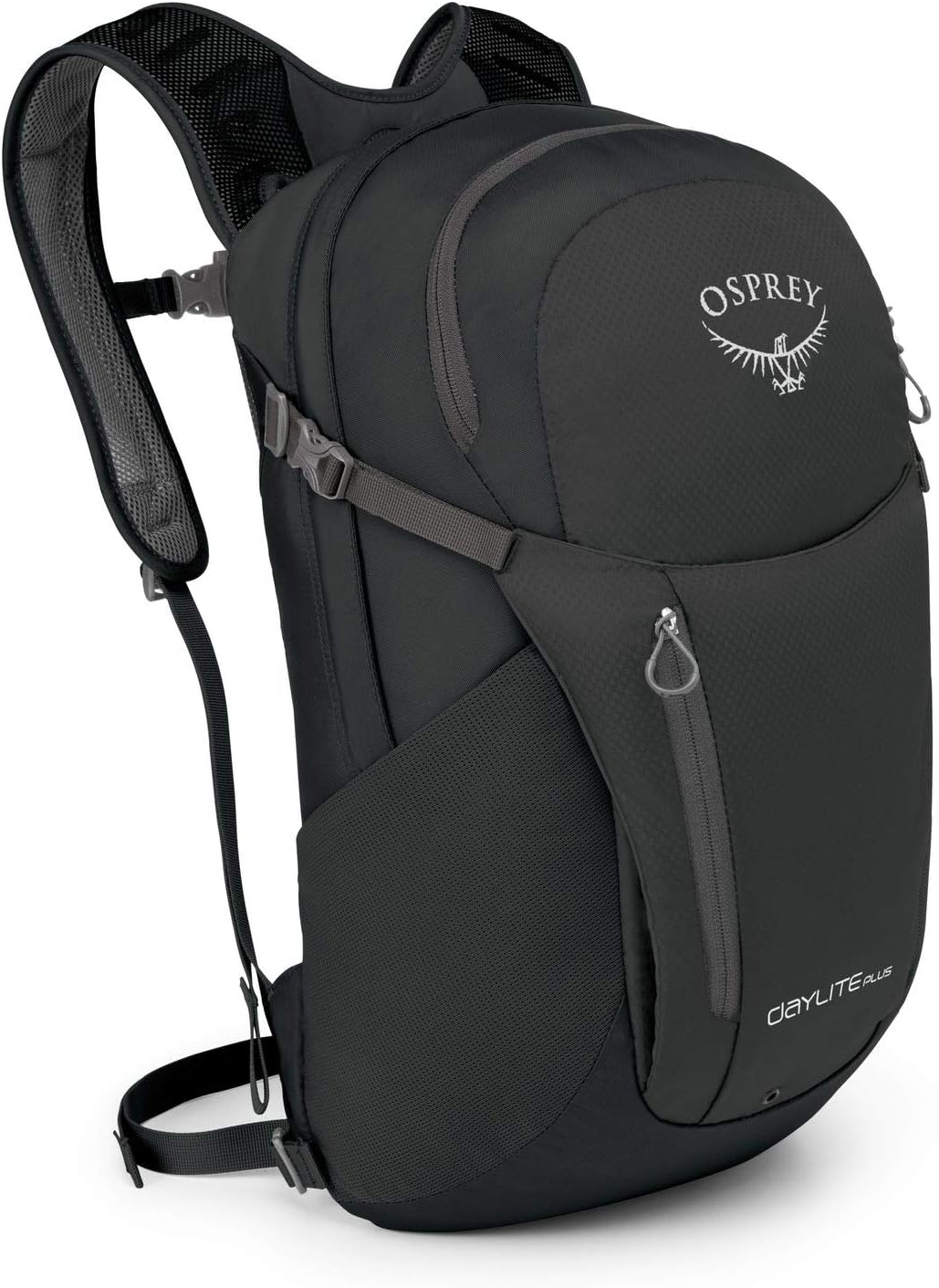
Osprey Daylite Plus Daypack
A 20-liter pack that hits the sweet spot for day hikes and light overnights — padded hip belt, a hydration reservoir sleeve, external bungee lashing for a jacket or wet gear, and enough structure that it doesn’t sag when half-empty. Built by a company that’s made technical backpacks for decades, so the stitching and zippers hold up.
Check today’s price on Amazon
Check Price at Amazon →Footwear: The One Thing Not to Skimp On
You can hike in old sneakers for a flat, dry trail and be fine. You cannot hike in old sneakers on wet rock, loose gravel, or anything with real elevation change without eventually paying for it in a rolled ankle or soaked feet. Footwear is the one category where “it’s basically the same as the cheap one” is almost never true — the difference is in the outsole’s grip pattern, the ankle support, and whether the waterproofing is a real membrane or a marketing word.
Look for aggressive lug patterns on the sole (the deeper and more spaced out, the better the grip on loose terrain), a toe cap that protects against rock strikes, and — if you’re hiking anywhere wet — an actual waterproof membrane rather than just treated fabric.
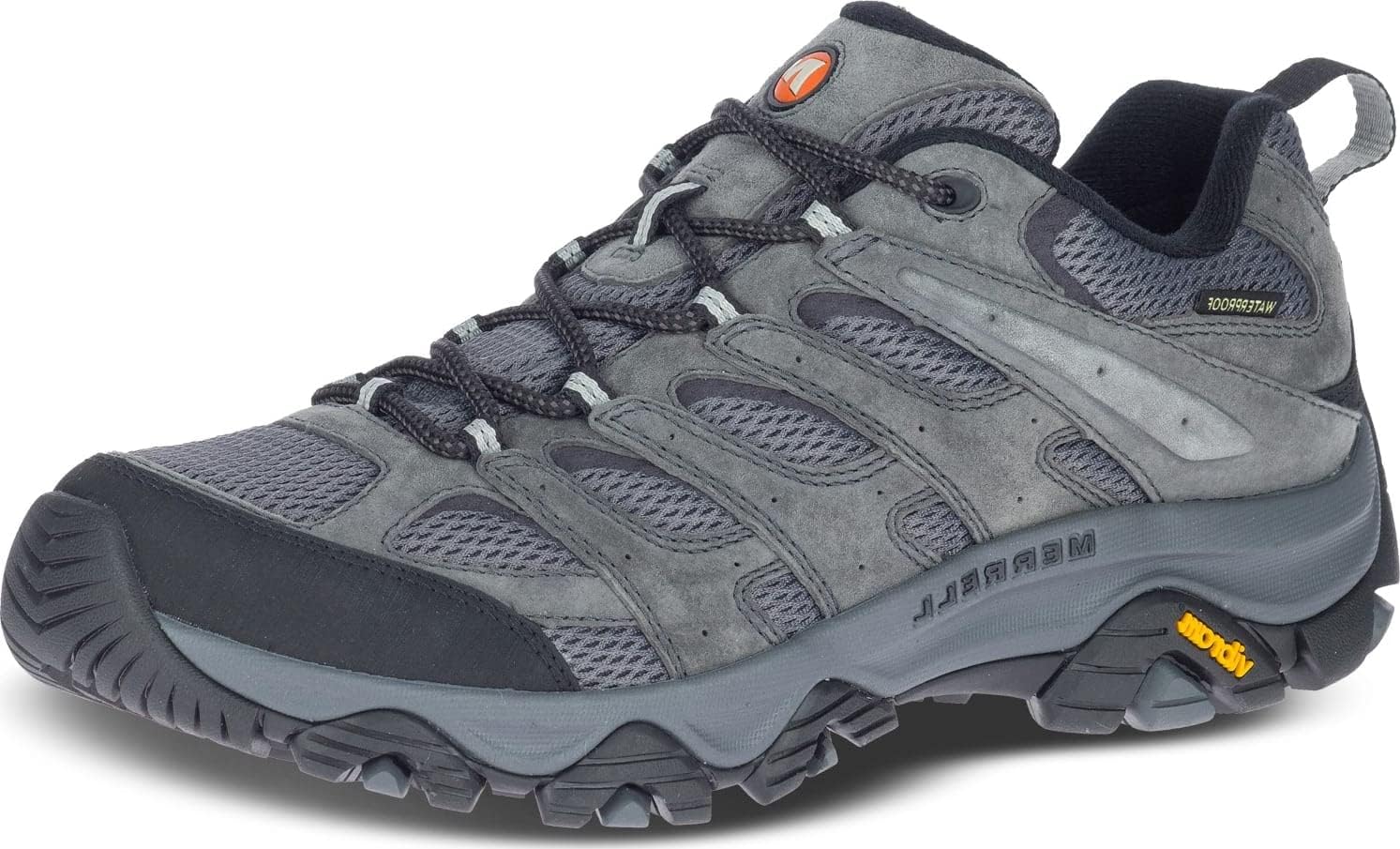
Merrell Moab 3 Waterproof Hiking Shoe
The trail shoe most frequently recommended by hiking guides for good reason — a cushioned midsole that holds up over long miles, a waterproof membrane that actually works, and enough break-in comfort that you can wear them out of the box without blisters on day one.
Check today’s price on Amazon
Check Price at Amazon →After Dark: Camp Routines and Night Hikes
Even a day hike can run past sunset if you linger at a viewpoint or misjudge the return distance, and a growing number of hikers deliberately plan sunrise or sunset routes for the light and the empty trails. Either way, a phone flashlight is a poor substitute for a proper headlamp — it eats your battery, it’s not hands-free, and it’s genuinely dim by comparison.
A rechargeable headlamp with a red-light mode is worth the small premium: red light preserves your night vision (useful for stargazing or not blinding your tent-mate) and drains the battery more slowly for emergency use. Look for something rated at least 300 lumens for actual trail visibility, not just tent-reading brightness.
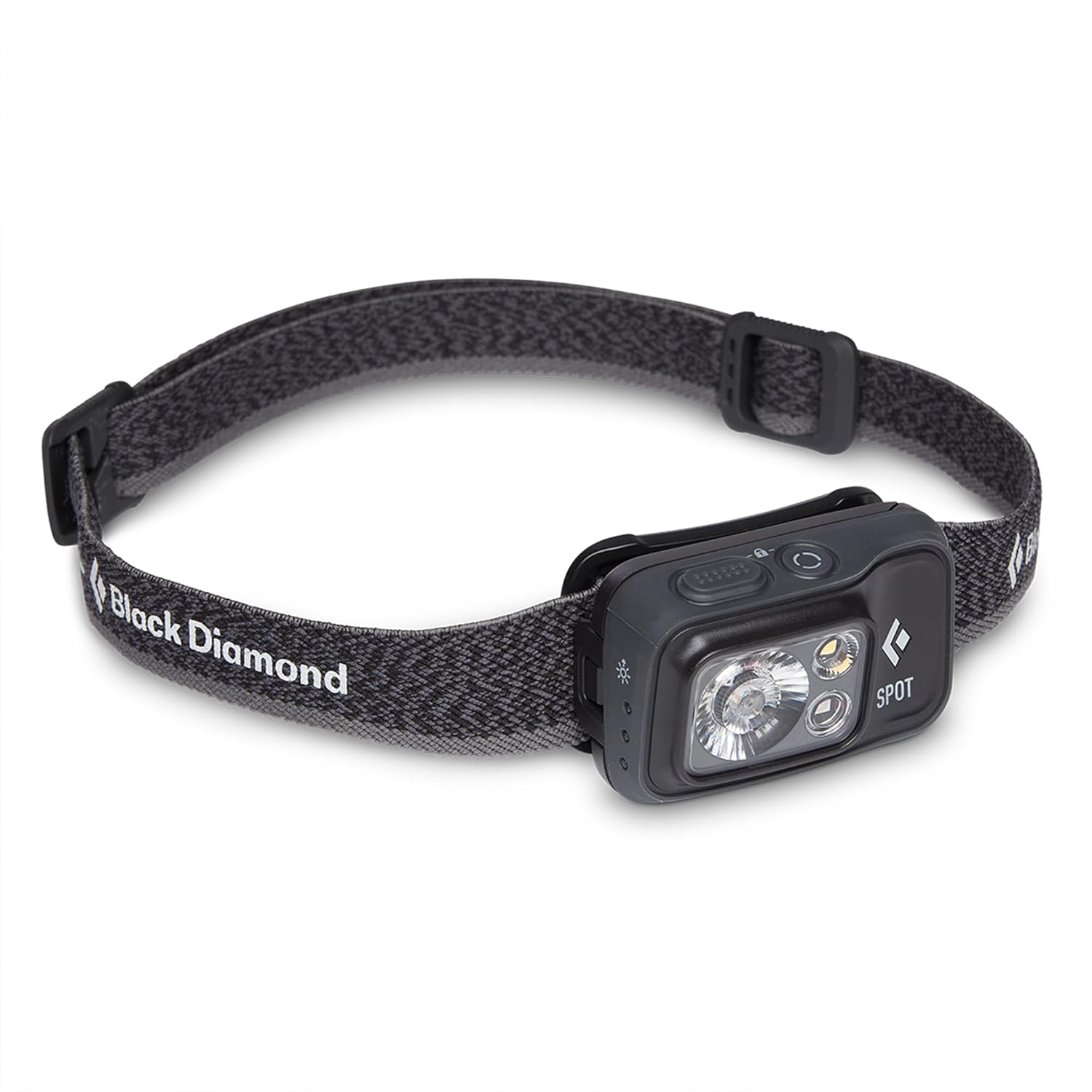
Black Diamond Spot 400 Headlamp
400 lumens of trail-ready brightness with a dimmable beam, waterproof housing, and a red night-vision mode. Simple one-button interface you can operate with gloves on — no fumbling through a menu in the dark.
Check today’s price on Amazon
Check Price at Amazon →Adventure Safety Fundamentals
Good gear reduces risk, but a few habits matter more than anything you can buy. Check the actual weather forecast for the trailhead’s elevation, not just the nearest town — a sunny valley can sit under a thunderstorm-prone ridge. Know the difference between a maintained trail and a route that requires navigation skills, and don’t let a confident-looking app track talk you into terrain past your experience. Give wildlife plenty of space and store food properly; most animal encounters that go badly start with an animal that’s learned people mean food.
And practice Leave No Trace basics: pack out everything you pack in, stay on established trails to protect fragile vegetation, and leave natural and historical objects where you found them. It’s a small habit that keeps the trails worth returning to.
Building Your Own Adventure Calendar
One of the easiest ways to stay motivated is to stop thinking of “getting outside” as one big trip and start building a rotating calendar around the seasons. Spring brings wildflower blooms and waterfalls running at their fullest from snowmelt — lower-elevation trails are usually your best bet before high-country routes clear. Summer opens up alpine lakes and high passes, though it’s worth starting early to beat both the heat and the afternoon thunderstorm window in mountain regions. Fall delivers foliage color and noticeably thinner crowds, plus cooler hiking temperatures that make longer mileage days more comfortable. And winter, even for non-skiers, is a great season to try snowshoeing on a groomed or well-traveled route — it opens up quiet trails that are crowded all summer.
Treat each season as a reason to try one new trail or one new activity rather than repeating the same loop. It keeps the gear you’ve invested in getting used, and it’s genuinely the fastest way to fall further into loving this hobby.
Start Small, Build From There
You don’t need every piece of gear on this page to have a great first adventure — a decent pair of shoes and a filled water bottle will get most people through most day hikes just fine. But as you start stringing together longer days and eventually an overnight or two, the picks above solve the specific problems that actually end trips early: dehydration, blisters, getting caught after dark, and being unreachable when something goes wrong.
Build the kit one trip at a time, let your own experience tell you what you actually need next, and let the destination pull you the rest of the way. The trail’s not going anywhere — the only thing standing between you and it is deciding to go.
Looking for more? The Outdoor Zone has our full lineup of camping, hiking, and backyard gear picks.