Disclosure: ShopBuyZones is reader-supported. When you buy through links on our site, we may earn an affiliate commission — at no extra cost to you.
A fitness tracker only earns its spot on your wrist if you actually keep wearing it. The best ones disappear into your routine — quietly logging steps, heart rate, and sleep — while the wrong pick ends up in a drawer within a month because the battery died too often, the app was confusing, or the numbers it reported didn’t add up. We compared trackers across budgets and ecosystems to find five that are worth strapping on, and one that’s better left on the shelf.
At a Glance
| Product | Price | Rating | Best For |
|---|---|---|---|
| Fitbit Inspire 3 | $79.95 | 4.2★ (25,542) | Overall pick |
| Samsung Galaxy Fit 3 | $45.49 | 4.4★ (6,068) | Tightest budget |
| Garmin Forerunner 55 | $129.00 | 4.4★ (6,188) | Runners |
| Garmin Vivoactive 5 | $181.97 | 4.3★ (11,845) | All-around smartwatch |
| Apple Watch SE 3 | $189.99 | 4.7★ (4,294) | iPhone owners |
Our Featured Pick
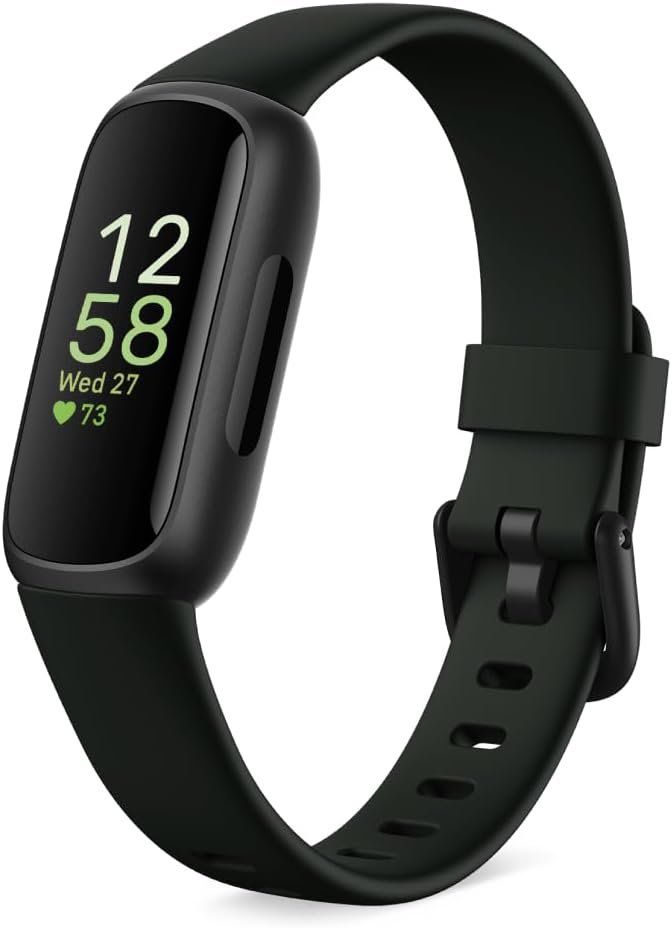
Fitbit Inspire 3
4.2★ (25,542 ratings) — $79.95
The Inspire 3 is the tracker we’d hand a first-timer. It’s slim and light enough to forget you’re wearing it, the touchscreen is bright and easy to read, and the 10-day battery life means you’re not hunting for a charger every other night. It covers the basics — 24/7 heart rate, sleep stages, stress management, step and calorie tracking — without overwhelming you with settings, and it comes with a 3-month trial of the Fitbit/Google Health Premium app.
- Pros: Comfortable slim design, 10-day battery, 24/7 heart rate and sleep tracking, includes a Premium app trial, clear color touchscreen
- Cons: No built-in GPS (borrows your phone’s), small screen makes longer notifications hard to read, limited multi-sport modes compared to a true GPS watch
More Picks Worth Considering
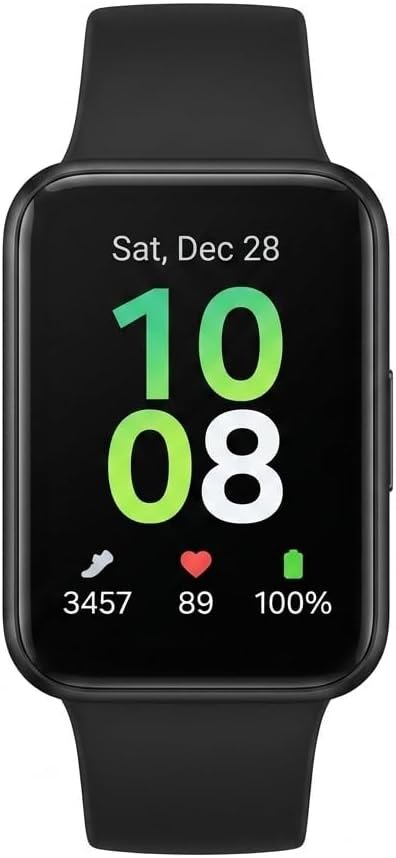
Samsung Galaxy Fit 3
4.4★ (6,068 ratings) — $45.49
If you just want reliable step and heart-rate tracking without spending much, the Fit 3 delivers more screen for the money than almost anything else here — a bright 1.6″ AMOLED display with a two-week battery life and over 100 workout modes.
- Pros: Large bright AMOLED display, 14-day battery life, 100+ exercise modes, lightweight comfortable band
- Cons: Works best paired with a Samsung/Android phone, no built-in GPS, some notification features are limited on iPhone
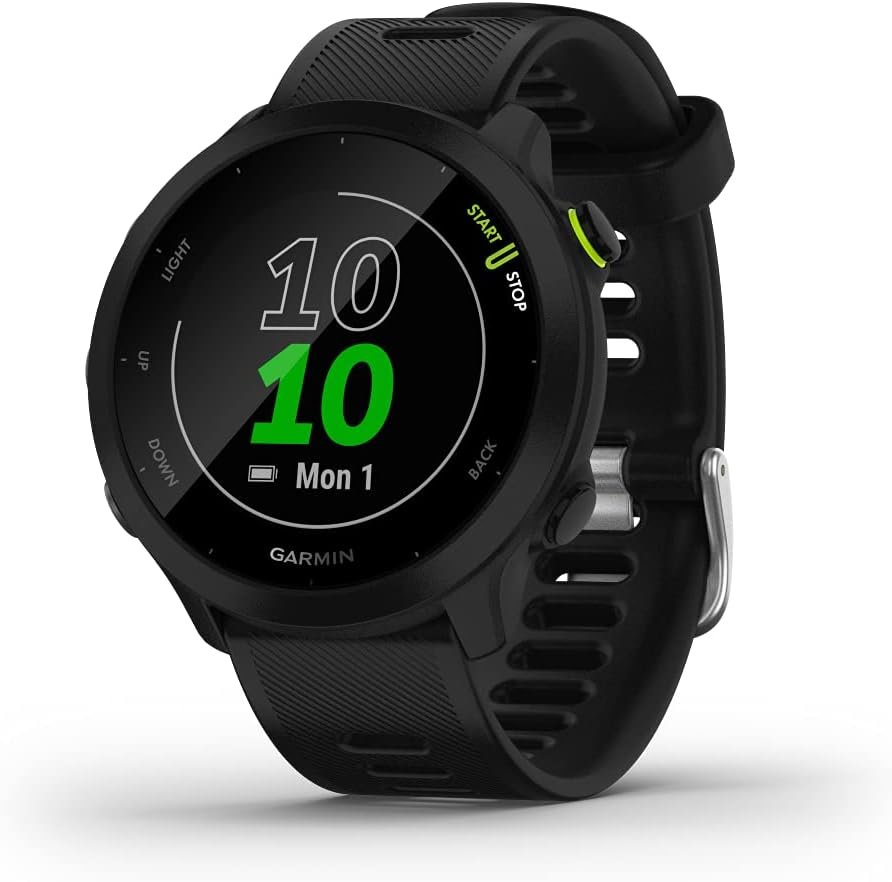
Garmin Forerunner 55
4.4★ (6,188 ratings) — $129.00
For anyone training for a 5K, a half marathon, or just wants accurate outdoor pace and distance without carrying a phone, the Forerunner 55 is built specifically for that job. Garmin’s daily suggested workouts adapt to how your training is actually going, and the battery lasts up to two weeks.
- Pros: Built-in GPS for phone-free run tracking, adaptive daily workout suggestions, up to 2 weeks of battery, PacePro pacing tools
- Cons: Bulkier than a slim fitness band, monochrome display instead of color, fewer smartwatch/app features than the Vivoactive 5
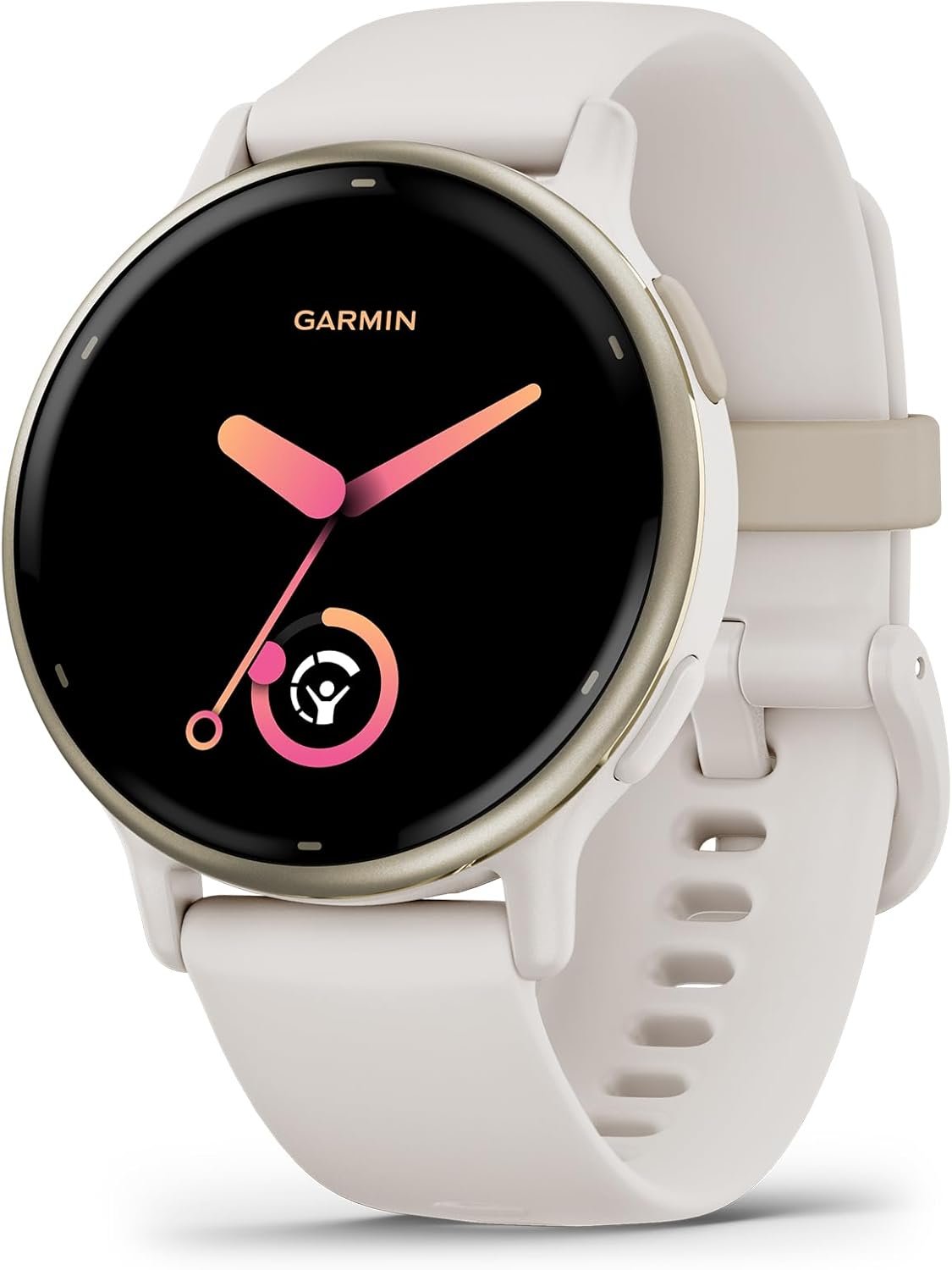
Garmin Vivoactive 5
4.3★ (11,845 ratings) — $181.97
The Vivoactive 5 splits the difference between a dedicated running watch and a full smartwatch. It has built-in GPS and over 30 sports apps like the Forerunner, but adds a bright AMOLED touchscreen, Body Battery energy monitoring, and sleep coaching that make it comfortable to wear all day, not just on runs.
- Pros: Built-in GPS plus 30+ sports apps, bright AMOLED touchscreen, Body Battery energy tracking, up to 11 days of battery life
- Cons: Costs more than fitness-band-only options, some advanced health metrics require a Garmin Connect+ subscription
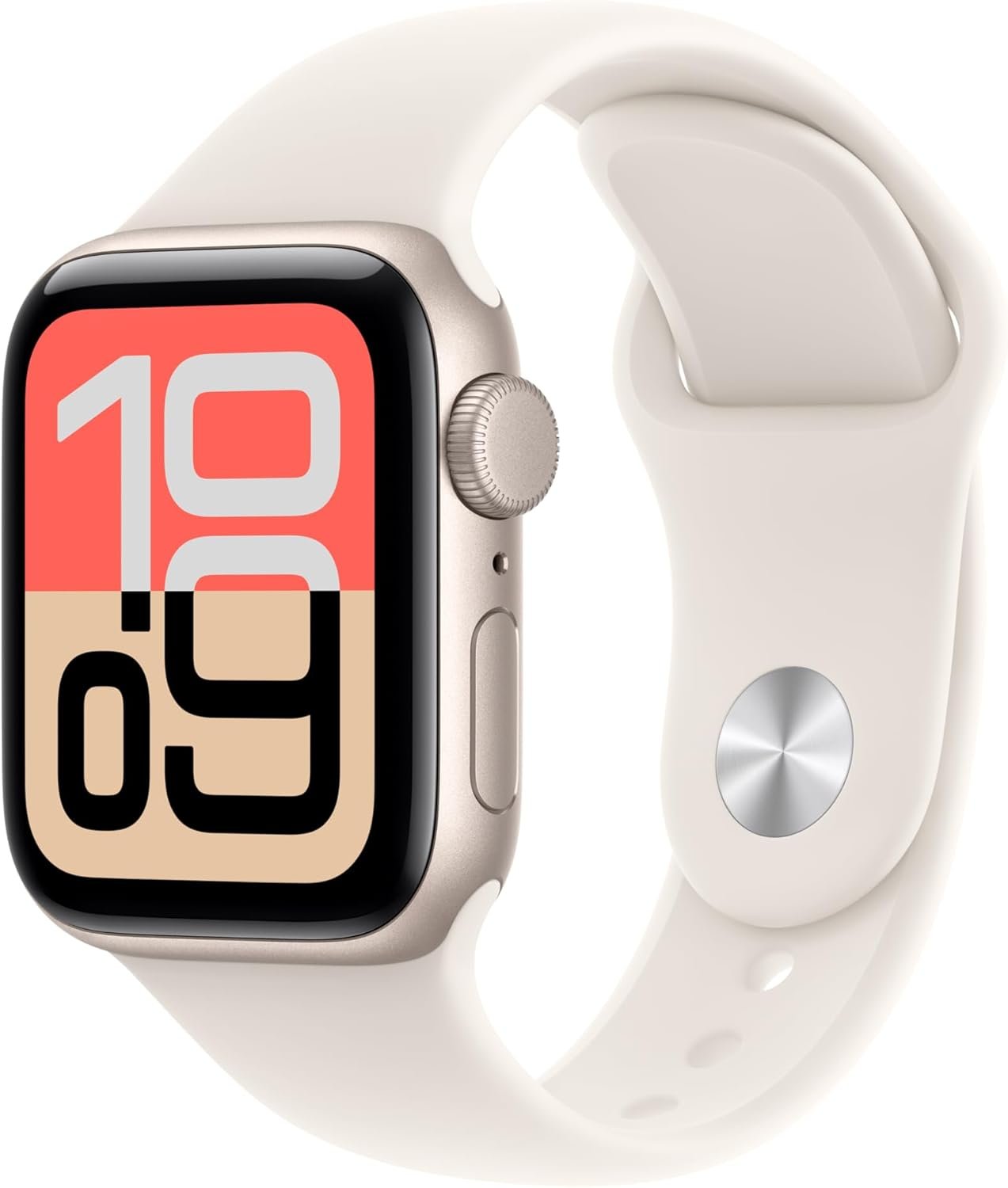
Apple Watch SE 3
4.7★ (4,294 ratings) — $189.99
If you carry an iPhone, the SE 3 is less a fitness tracker and more a fitness-capable extension of your phone — texts, calls, Apple Pay, Find My, and crash/fall detection, wrapped around genuinely solid workout and heart-rate tracking.
- Pros: Deep iPhone integration, crash and fall detection, bright display, huge app ecosystem
- Cons: Battery lasts about a day versus a week-plus on the others here, requires an iPhone to set up, the priciest pick on this list
⚠ One We’d Skip
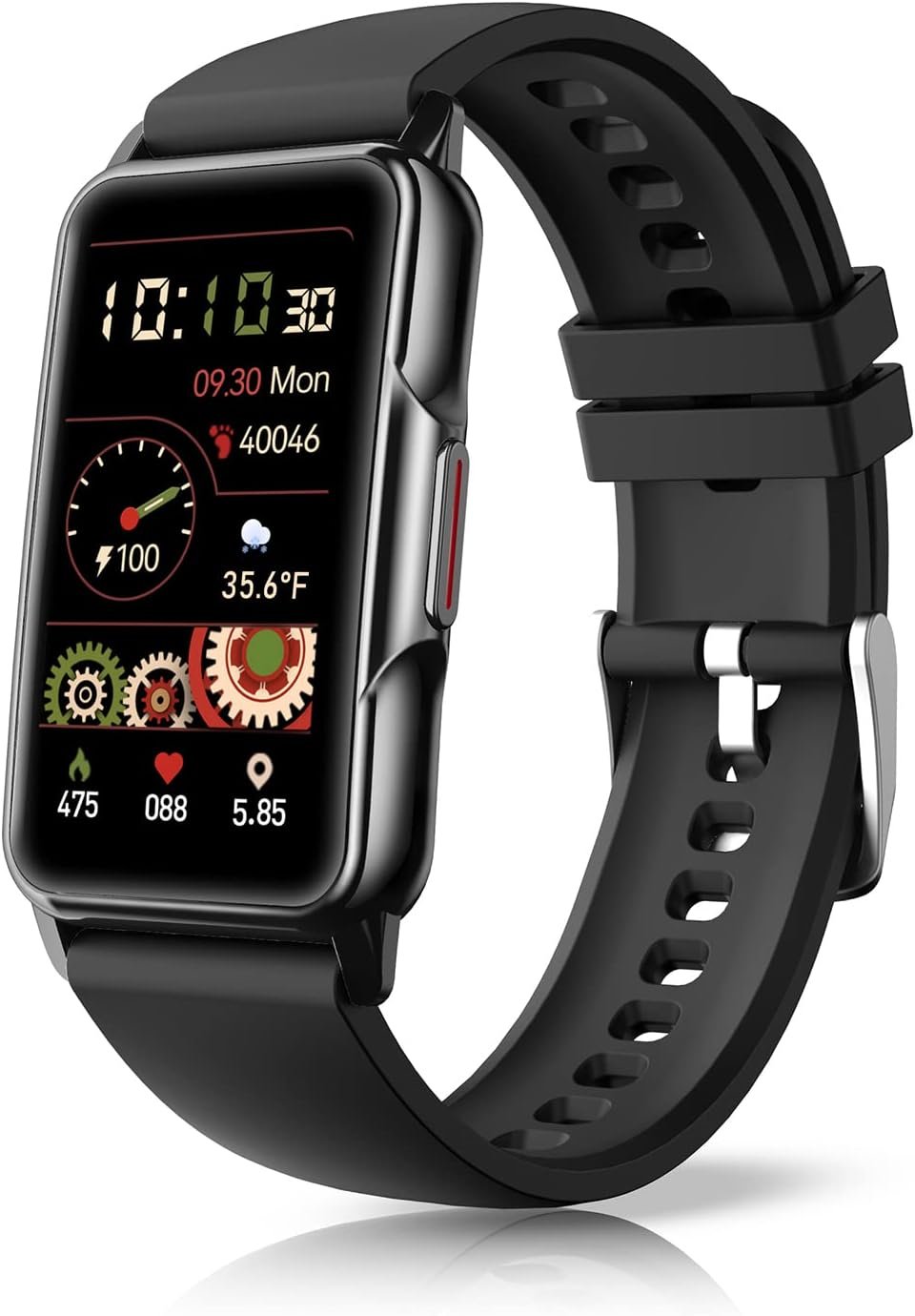
Generic “24/7 Blood Pressure & Blood Oxygen” Smart Watch
4.5★ — but only 75 ratings — $35.99
This unbranded watch’s star rating looks fine at a glance, but the review count is tiny, and the critical reviews that do exist raise real red flags rather than minor gripes. One reviewer, Karen P., wrote: “Beware of this watch. It has a warranty sticker inside for mindrose.tech. That site is a security scam. The mindrose.tech domain is an active phishing trap created to steal your personal and financial information.” Another, Katy TX, found the tracking itself unreliable: “Its step counter is dumb. Sitting in a chair I seemingly walked 50 steps. Small screen, awful.” A device that pairs to your phone and claims to read your blood pressure is not the place to gamble on a warranty process that reviewers say leads to a phishing site.
- Cons: A reviewer flagged the included warranty sticker as pointing to a phishing site, not a legitimate support channel
- Cons: Step counting reported as wildly inaccurate even while sitting still
- Cons: Blood pressure and blood oxygen readings from an unregulated $36 device shouldn’t be trusted for anything health-related
- Cons: Only 75 total ratings behind that 4.5★ average, too small a sample to rely on
The Bottom Line
For most people, the Fitbit Inspire 3 hits the best balance of price, comfort, and battery life. If you’re training for a race, put the budget toward the Forerunner 55’s built-in GPS instead. And whatever you choose, a real brand with a real support line beats saving $10 on a tracker whose warranty card leads somewhere you don’t want your data going.