Espresso machines used to mean two choices: a $30 stovetop pot, or a $2,000 machine that needed a plumber. That’s changed. In 2026 there are real, honest espresso machines — the kind that use actual pressure to pull a proper shot with crema on top — for well under $300. There are also a lot of machines dressed up to look like espresso makers that aren’t. Here’s how to tell the difference, five real picks, and one popular type worth skipping.
What actually makes something “espresso”
Real espresso needs two things: finely-ground coffee packed into a portafilter (the little handle basket you lock into the machine), and enough pressure pushing hot water through those grounds to pull out a thick, syrupy shot with a layer of golden foam on top called crema. That pressure is measured in “bars.” Anything under about 9 bars of real pump pressure is going to give you a thin, weak shot — no matter what the box calls it.
That’s the one spec worth actually checking before you buy: does it have a real pump, and is it rated at 9 bars or higher? Everything else — milk frothers, water tank size, one-touch buttons — is about convenience, not whether you get real espresso.
5 real picks
1. De’Longhi Stilosa — best if you just want to try it (around $100)
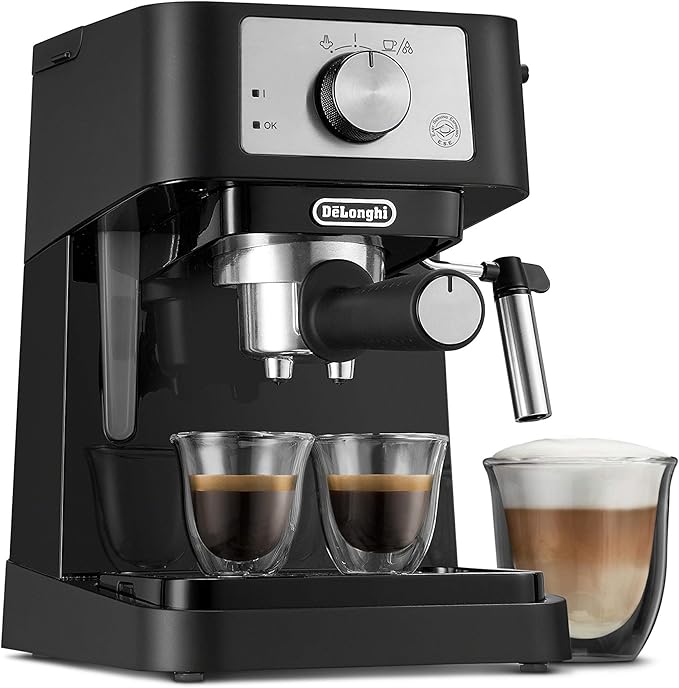
This is about as cheap as genuine espresso gets. It has a real 15-bar pump, so the shot itself is legitimate — you’re not paying for extra features, just the basics done right. The frame is mostly plastic and there’s no digital display, but if your goal is “can I actually make espresso at home without spending a lot,” this is the honest answer.
2. Casabrews CM5418 — best all-in-one for beginners (around $130–150)
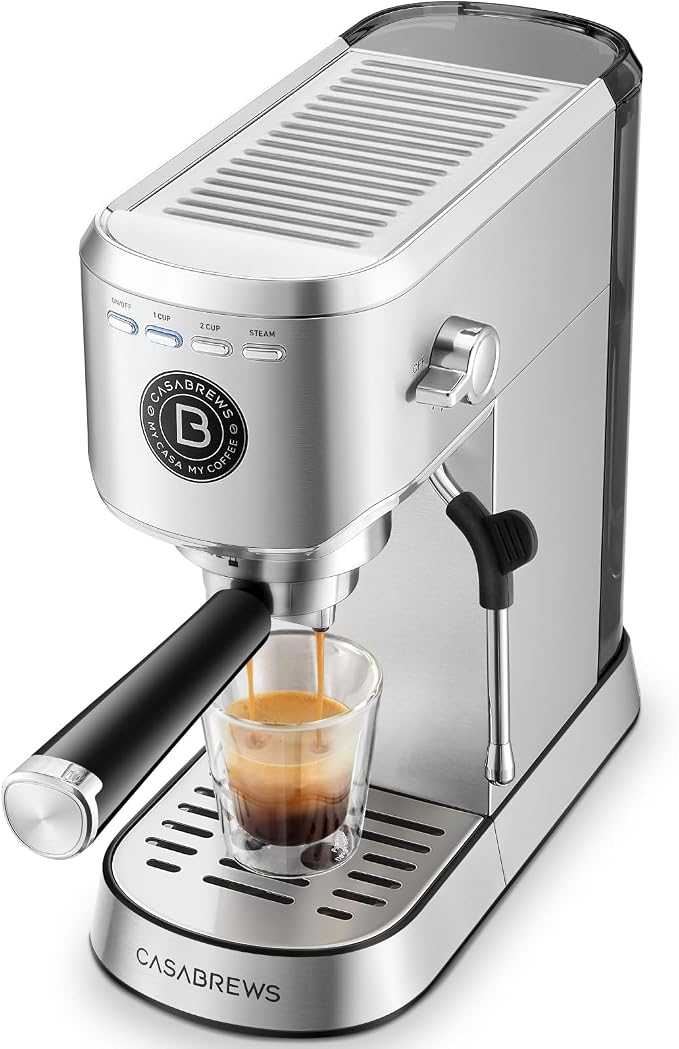
This one adds a built-in milk frother wand and a more complete control panel for close to the same price as the Stilosa, which is why it shows up on almost every budget review list. It’s a good pick if you want to make lattes and cappuccinos, not just straight shots, without learning a lot of extra technique right away.
3. Gevi 20 Bar Compact — best for small kitchens (under $150)
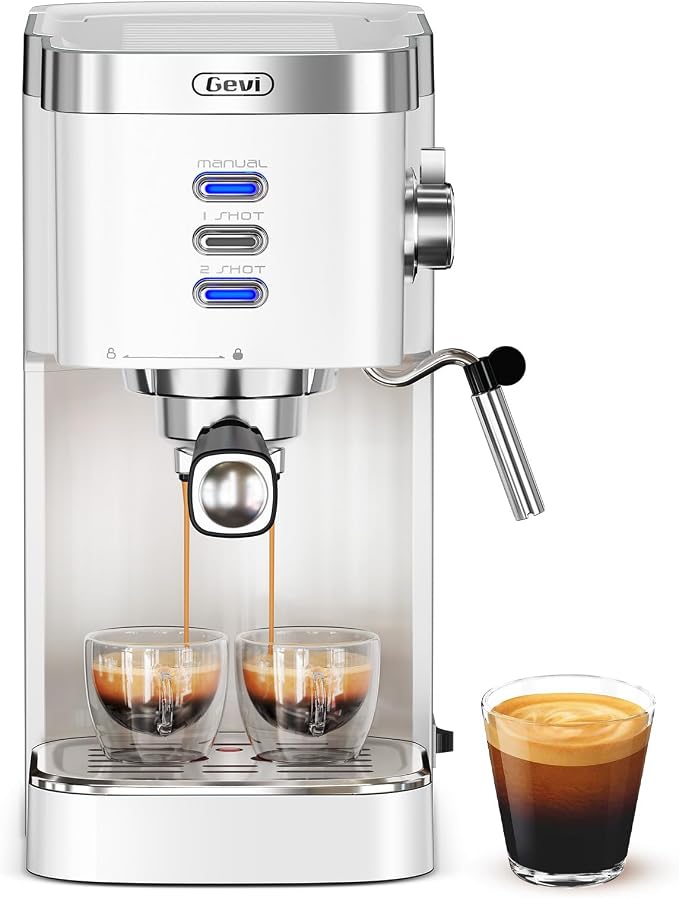
If counter space is the real constraint, this is a genuinely compact machine that still uses a real 20-bar pump. It includes a steam wand for milk and a large-enough water tank that you’re not refilling constantly. A solid, no-drama choice if you just need it to fit and work.
4. Breville Bambino — best if you want to grow into it (around $300)
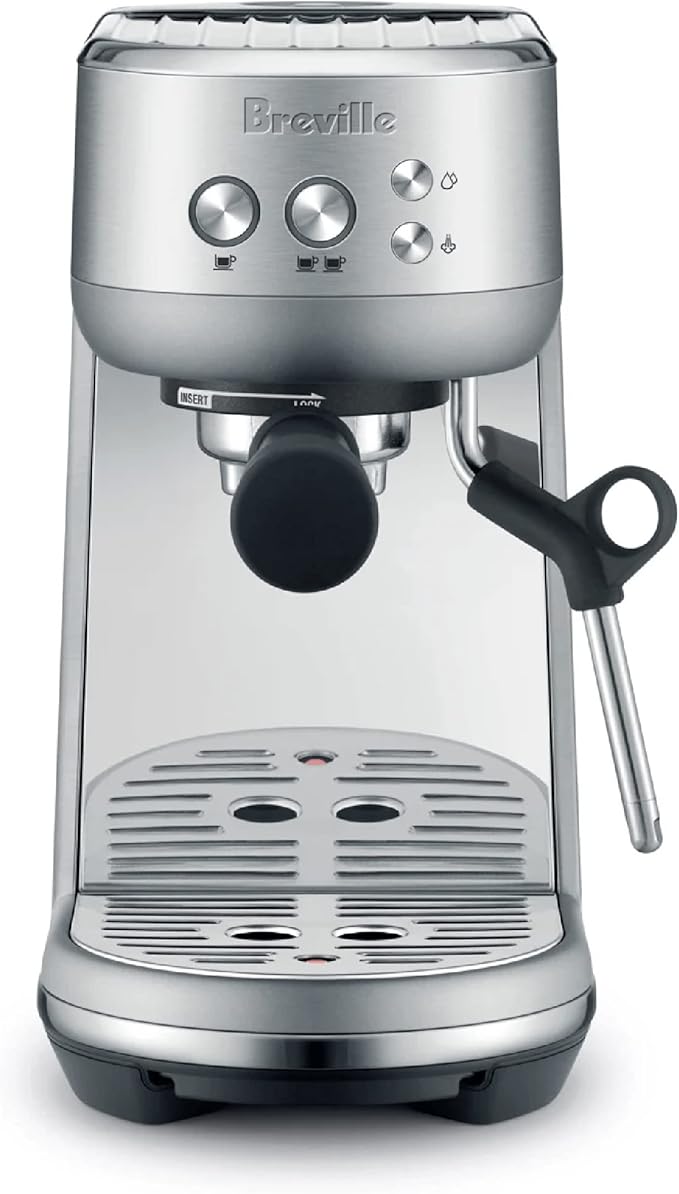
This is a step up in price, but it’s the same 54mm portafilter and 15-bar Italian pump used in Breville’s much more expensive machines, plus it heats up in about 3 seconds instead of several minutes. It doesn’t come with a grinder — you’ll want a separate one for good results — but if you think you’ll actually get into espresso as a hobby, this is the one that won’t hold you back later.
5. Ninja Luxe Café Premier 3-in-1 — best if you want everything built in (around $400–500)
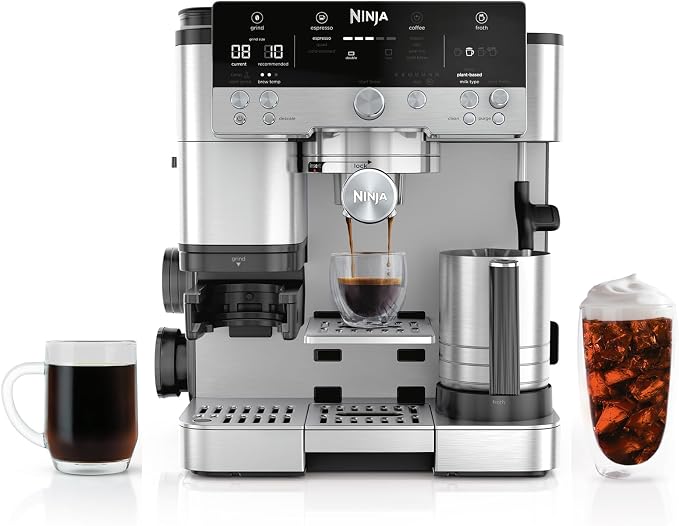
This is the “do it all” option: espresso, regular drip coffee, and cold brew from one machine, with a built-in grinder and a hands-free milk frother so you’re not holding a pitcher under a wand. It costs more than the others here, but it replaces several separate appliances, which can make it the better value if you’d otherwise be buying a grinder and a drip maker anyway.
One to skip: steam-driven “espresso” makers
You’ll see machines like the Mr. Coffee 4-Shot Steam Espresso Maker marketed as budget espresso machines. The catch is in the name: they use steam pressure instead of a real pump, which typically only reaches 3–4 bars — well under the 9 bars real espresso needs. You’ll get a coffee-flavored shot, but not real crema, and not the actual espresso texture. They’re not bad products for what they are, but they’re not really espresso machines, and it’s an easy way to end up disappointed. If your goal is genuine espresso, any of the five pump-driven picks above will get you there for a similar price.
Bottom line
If you just want to know it works and keep the cost low, start with the De’Longhi Stilosa. If you want lattes without extra gear, go with the Casabrews CM5418. If you think you’ll stick with it, the Breville Bambino is the one that scales up with you. Whichever you pick, just make sure it has a real pump rated at 9 bars or higher — that’s the difference between espresso and espresso-flavored coffee.