Disclosure: ShopBuyZones is reader-supported. When you buy or book through links on our site, we may earn an affiliate commission — at no extra cost to you.
Mexico City is having a moment. Mexico pulled in 98.2 million international visitors in 2025, up 13.6% year-over-year, generating just under $35 billion in foreign exchange earnings — a 6.2% jump from the year before. A good chunk of that growth is landing squarely on Mexico City, driven by a culinary tourism boom (Pujol and Quintonil regularly show up on “best restaurants in the world” lists), expanded air connectivity — Air Canada added new routes into the capital in December 2025 alone — and a tourism sector that now supports more than 86,000 jobs in the city.
None of that means the trip is simple. Mexico City is enormous, sits over 7,300 feet above sea level, and carries a safety reputation that’s fair in a handful of neighborhoods and wildly overblown everywhere else. This guide covers what’s actually driving the boom, where to base yourself, what the real safety picture looks like, and what it costs to do the trip right.
Why Everyone’s Suddenly Booking Mexico City
Three things are converging at once. First, the food — Mexico City’s fine-dining and street-food scenes have both climbed international “best of” lists for years, and Pujol and Quintonil in particular have become reasons to plan a trip on their own, not just add-ons to a Cancún vacation. Second, the flights — with more airlines adding or expanding routes into the capital, it’s now a short, often inexpensive hop from most major US hub cities, frequently cheaper and faster than flying to Europe for a comparable big-city trip. Third, the exchange rate and cost of living mean a trip that feels genuinely upscale costs a fraction of the equivalent in New York, Chicago, or most of Western Europe.
Mexico City at a Glance
- Elevation: about 7,350 feet (2,240m) — higher than Denver
- Best home-base neighborhoods: Condesa, Roma Norte, Polanco, central Coyoacán
- Language: Spanish (English is common in tourist-heavy areas, less so elsewhere)
- Currency: Mexican Peso (MXN)
- Flight time from most major US hubs: roughly 3 to 5 hours
Where to Stay: The Neighborhoods That Actually Work
Condesa & Roma Norte
Leafy, walkable, and packed with Art Deco architecture, cafes, and independent restaurants. This is where most first-time visitors and the city’s digital-nomad crowd base themselves, and it’s an easy area to explore on foot both day and night.
Polanco
Mexico City’s upscale district — wide tree-lined avenues, the Museo Soumaya, high-end shopping, and some of the capital’s best fine dining. Safer and quieter than Condesa or Roma Norte, at a higher price point.
Coyoacán (Central)
A colorful former colonial village, now part of the city, famous for the Frida Kahlo Museum (Casa Azul) and a lively central plaza. Stick to the central, well-touristed core rather than wandering its outer streets after dark.
Neighborhoods to Approach With Caution
Most visitors never run into trouble because they never leave the well-touristed corridor. But it’s a genuinely massive city, and a few areas carry real risk, especially after dark: Tepito (an open-air market known for theft and counterfeit goods), Doctores, Plaza Garibaldi late at night, Centro Histórico once businesses close for the evening, and the outer boroughs of Iztapalapa and Gustavo A. Madero. None of these are places a typical tourist itinerary needs to pass through.
The Honest Safety Picture
For a visitor sticking to Condesa, Roma Norte, Polanco, and central Coyoacán, the realistic risk is petty theft and pickpocketing — not violent crime. A few habits cut that risk further: take Uber or DiDi instead of hailing a taxi off the street, especially at night; wear bags crossbody instead of over one shoulder; withdraw cash from ATMs inside banks or shopping malls during the day rather than street ATMs at night; and treat anyone who approaches claiming to be police with skepticism, particularly if they ask for money or documents on the street.
What It Actually Costs
Budget ranges vary, but as a rough guide: a no-frills trip covering a budget hotel or hostel, street food and casual meals, and public transit runs somewhere around $40 to $60 a day. A comfortable mid-range trip — a boutique hotel in Roma Norte or Condesa, a mix of casual and sit-down restaurants, and the occasional Uber — lands closer to $80 to $150 a day. Push into Polanco hotels and tasting menus at places like Pujol or Quintonil, and $200-plus a day is easy to hit. All of that is still meaningfully cheaper than the equivalent trip in most major US or Western European cities.
When to Go
March through May generally brings the best mix of mild, dry weather before the June-to-September rainy season sets in. Late fall — October and November — is also popular thanks to Día de los Muertos celebrations, though the days immediately around the holiday get noticeably busier and pricier.
What to Pack
Mexico City’s altitude, walkable-but-uneven streets, and street-food-forward food scene call for a slightly different packing list than a beach trip. These five cover the gaps that catch first-time visitors off guard.

Anti-Theft Crossbody Bag
Slash-resistant straps and hidden zippers make this the easy fix for the single biggest tourist risk in the city — a bag snatched or picked at a crowded market or metro stop.
Pickpocket-Resistant
Check Price on Amazon →

Comfortable Walking Shoes
Cobblestone streets in Coyoacán and the Centro Histórico, plus the sheer size of the city, add up to a lot of walking fast — this is not a flip-flop city.
Cobblestone-Ready
Check Price on Amazon →

Insulated Water Bottle
At over 7,300 feet, staying hydrated makes a real difference in how quickly your body adjusts to the altitude, especially in the first day or two.
Altitude-Friendly
Check Price on Amazon →
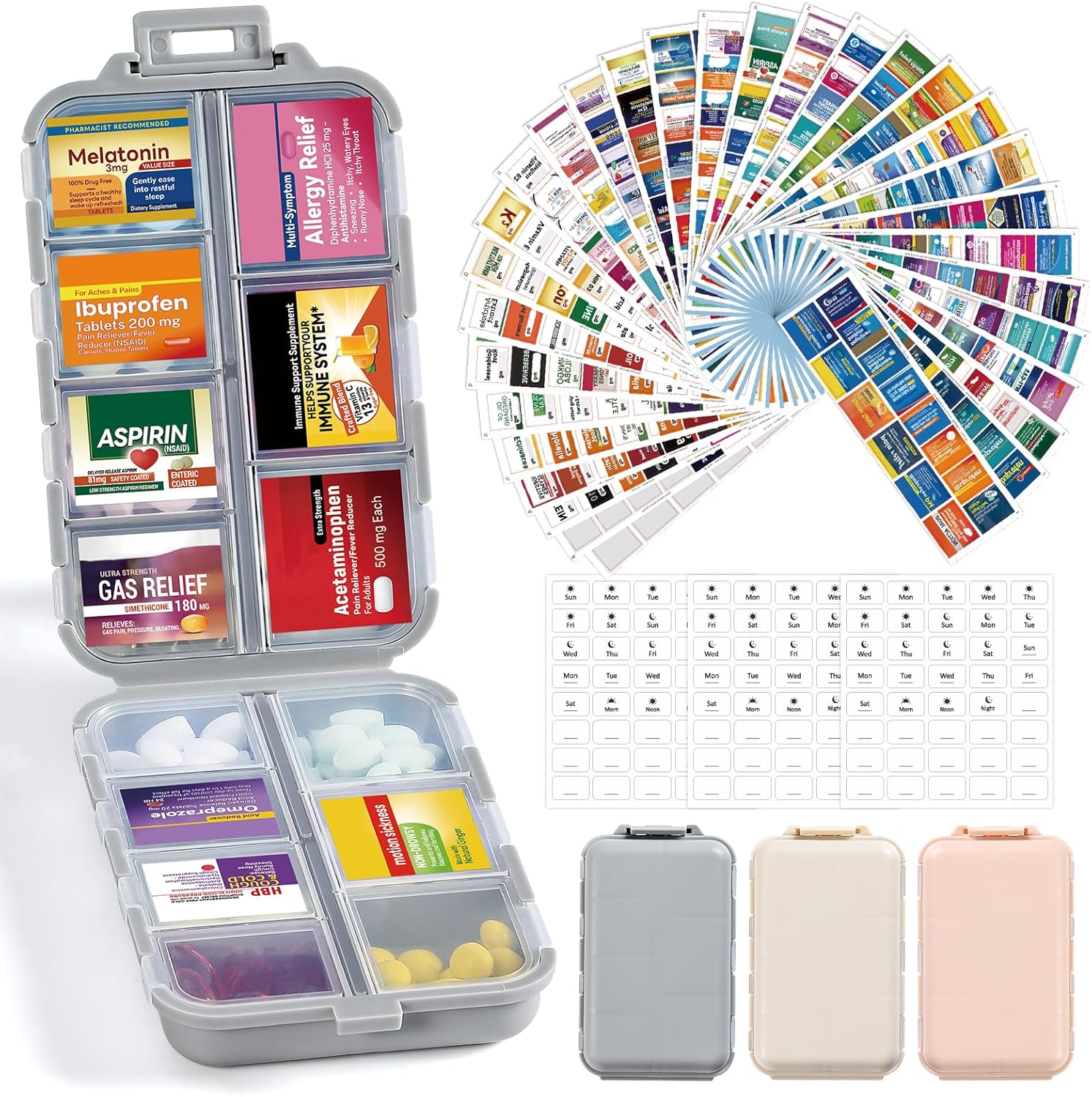
Travel Digestive Aid Kit
New food and water take some adjusting to for most travelers. A small kit of electrolyte tablets and stomach-relief tablets is standard trip insurance, not a sign anything will go wrong.
Stomach-Safe
Check Price on Amazon →

Portable Power Bank
Long walking days, constant maps, and rideshare apps drain a phone fast — a power bank keeps you from being stuck without Uber or DiDi when you need it most.
All-Day Battery
Check Price on Amazon →
Find Flights to Mexico City
Frequently Asked Questions
Is Mexico City actually safe for tourists?
For visitors who stay in the well-touristed neighborhoods and take the same precautions they’d use in any big city, yes — the real risk is pickpocketing, not violent crime. The neighborhoods and outer boroughs covered above are the ones actually worth avoiding.
Do I need a visa to visit Mexico City?
Most US, Canadian, UK, and EU passport holders can enter Mexico visa-free for tourist stays up to 180 days — confirm current requirements for your specific passport before booking, since rules can change.
Will the altitude actually affect me?
Mexico City sits above 7,300 feet, which is enough for some visitors to notice shortness of breath, faster fatigue, or a mild headache for the first day or two, especially coming from sea level. Staying hydrated and taking the first day easy helps most people adjust; anyone with a heart or lung condition should check with a doctor before the trip.
What’s the best time of year to visit?
March through May generally offers the best mix of mild weather and lower rain chances, ahead of the June-to-September rainy season. Late October and November are also popular for Día de los Muertos, though that specific week runs busier and pricier.
The Bottom Line
Mexico City’s growth isn’t hype — the visitor numbers back it up, and the reasons behind it (food, flights, value) are real. The trip works best when you treat it like the massive city it actually is: base yourself in Condesa, Roma Norte, Polanco, or central Coyoacán, skip the outer boroughs, take rideshares over street taxis at night, and budget realistically. Do that, and it’s one of the best-value big-city trips available to US travelers right now.