Disclosure: ShopBuyZones is reader-supported. When you buy or book through links on our site, we may earn an affiliate commission — at no extra cost to you.
Checked-bag fees keep climbing — most major US airlines now charge $35 to $75 each way for a first checked bag, and that’s before a second bag or an overweight surcharge. A week-long trip in nothing but a carry-on skips that fee entirely, skips the risk of lost luggage, and gets you out of the airport faster on both ends. None of that requires packing less stuff than you think — it requires packing it smarter.
This guide covers the actual mechanics: how to fit a week of clothes into a carry-on, what changed with TSA’s liquids screening in 2026, and the handful of products that make the difference between a stuffed, wrinkled bag and one that still has room to spare.
First, make sure your bag fits: see our carry-on size limits by airline.
Why Pack Light in the First Place
Beyond skipping the checked-bag fee, a carry-on-only trip means your bag never leaves your sight — no waiting at baggage claim, no risk of it going to the wrong airport, and no scrambling to replace clothes if it’s delayed. It also forces a useful discipline: most people who try one-bag travel once realize they’d been overpacking by half on every trip before it.
Roll or Fold? (And When Compression Cubes Win)
Rolling clothes is the standard advice, and it holds up — rolled items resist wrinkling better than folded ones and let you see everything at a glance instead of digging through a flat stack. Packing cubes take it further: sort rolled clothes into a small cube for underwear and socks, a medium cube for shirts and shorts, and a large cube for pants and heavier layers. Compression cubes with a second zipper shrink that further, which is genuinely useful for fitting a week into a carry-on — the trade-off is more creasing, so save them for casual clothes rather than anything you need to look sharp in right away.
The TSA Liquids Rule in 2026 — What Actually Changed
The core 3-1-1 rule hasn’t changed: containers of 3.4 ounces or less, all fitting in a single quart-size bag per traveler. What’s changing is the screening technology, not the policy — TSA is expanding CT scanners to more checkpoints, and at those specific lanes travelers may be able to leave travel-size liquids inside their bag during screening instead of pulling out the quart bag separately. It’s a convenience upgrade at select airports, not a new national rule, so pack for the standard 3-1-1 limits until you know your departure airport has the newer scanners.
A Simple 7-Day Capsule Wardrobe Formula
You don’t need seven of everything. A workable formula for a week-long trip: 3-4 tops you can mix and match, 2 bottoms, one layer for weather (a light jacket or sweater), sleepwear, and enough underwear and socks for the trip (these compress small, so there’s no reason to skimp here). Pick one or two color families so everything mixes with everything else, and plan to rewear pants and outer layers — nobody actually notices, and it’s the single biggest space saver in the whole bag.
What to Pack
The clothes matter less than the gear that makes them fit. These five make the difference between a stuffed bag and one with room to spare.
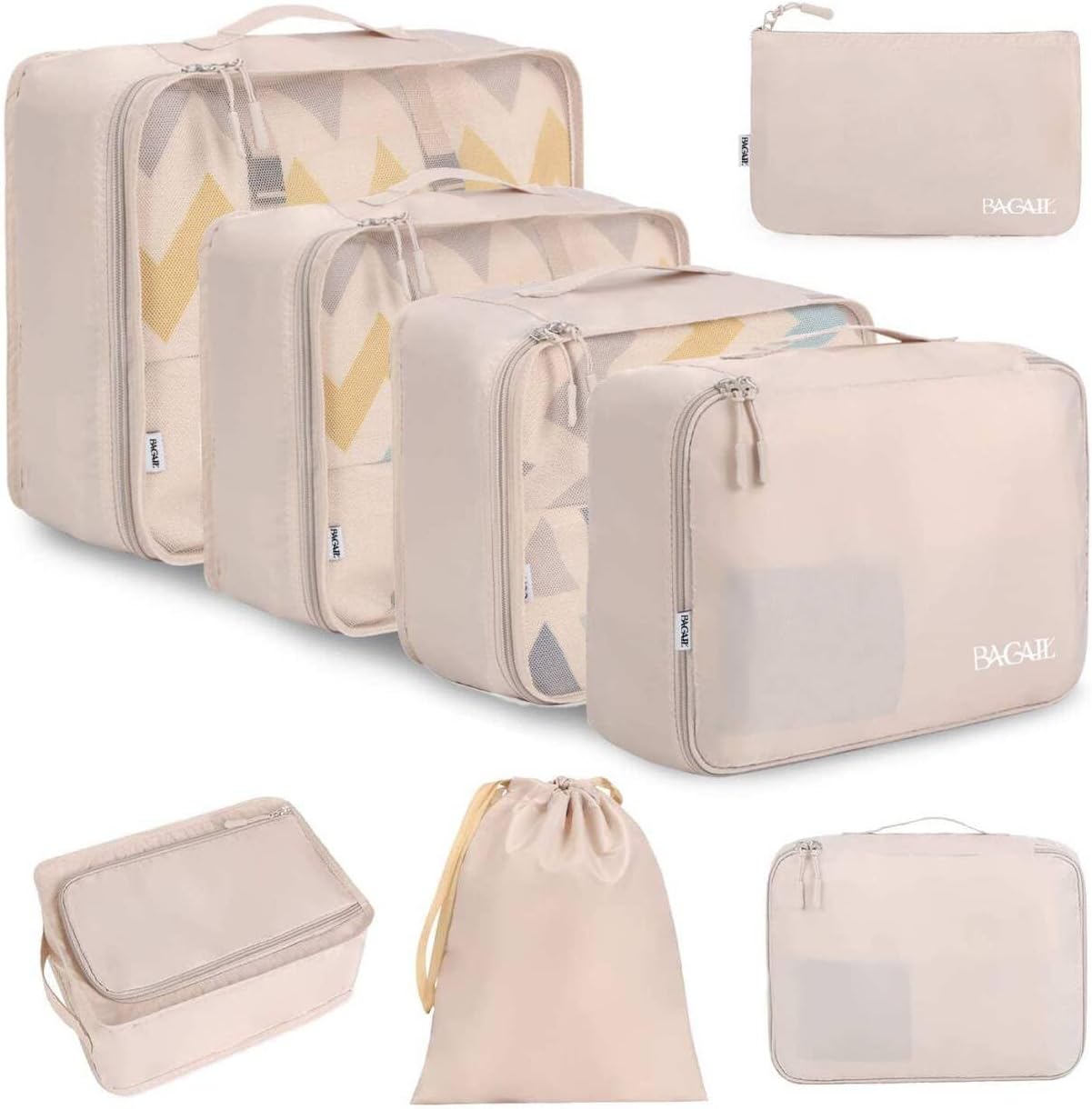
Compression Packing Cubes (Set)
The single biggest space-saver in one-bag travel — sorts clothes into compartments and shrinks them down with a second zipper, turning a stuffed carry-on into one with room to spare.
Space Saver
Check Price on Amazon →
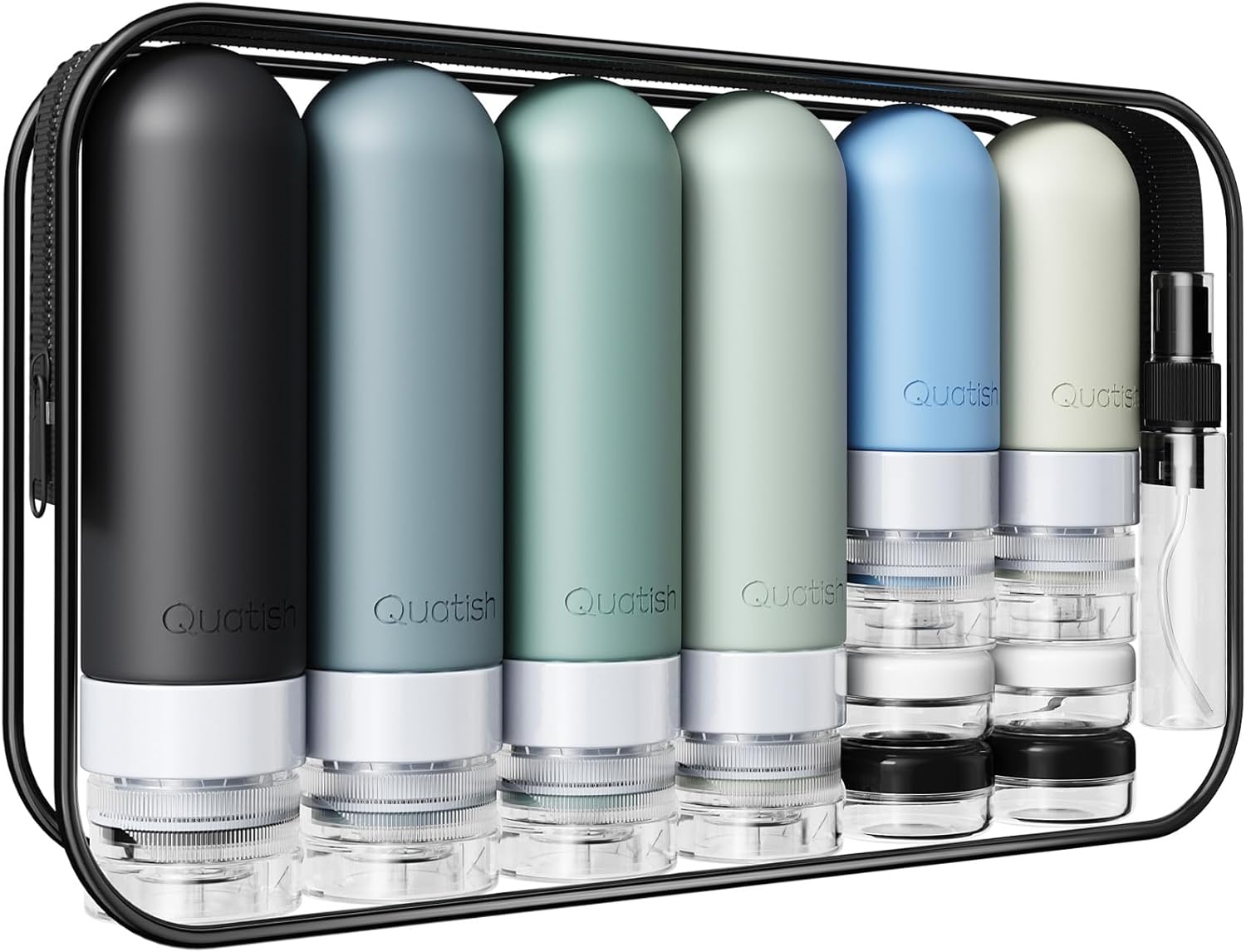
TSA-Approved Toiletry Bottle Set
Refillable 3.4oz-or-under bottles that keep your own shampoo and skincare instead of buying travel minis every trip — and they fit the standard quart bag without a second thought.
3-1-1 Ready
Check Price on Amazon →

Digital Luggage Scale
Carry-on weight limits catch people off guard on international and budget carriers — a $10 handheld scale at home avoids a surprise repacking session (or fee) at the gate.
No Surprises
Check Price on Amazon →

TSA-Approved Combination Lock
Lets TSA open and re-lock your bag for inspection without cutting the lock off — the only kind of lock that makes sense for carry-on or checked travel.
TSA-Friendly
Check Price on Amazon →
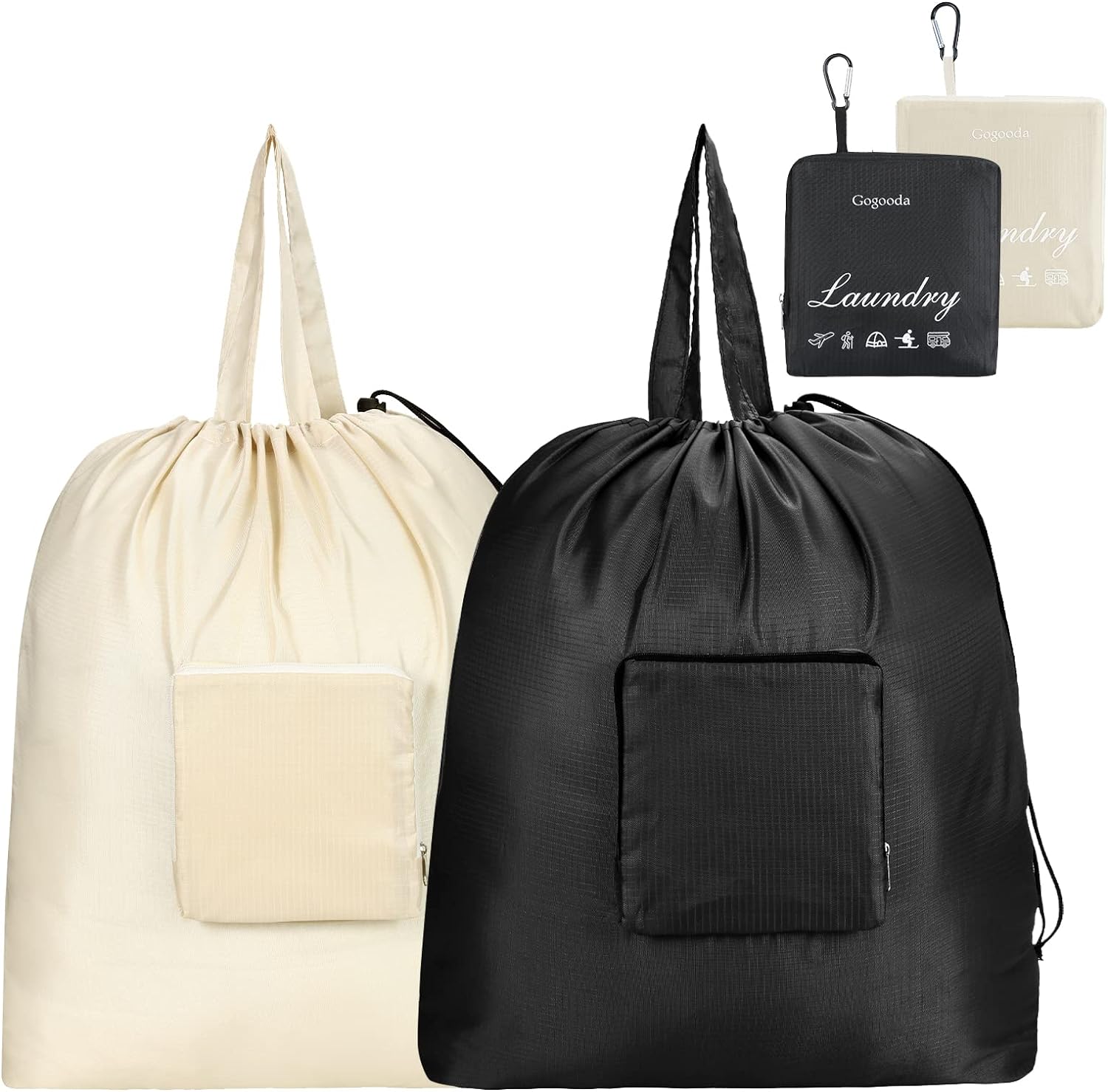
Packable Laundry Bag
A lightweight bag to separate worn clothes from clean ones mid-trip — genuinely changes how workable a one-bag trip feels past day 3 or 4, and it packs flat when empty.
Mid-Trip Fix
Check Price on Amazon →
Frequently Asked Questions
Can I really fit a week’s worth of clothes in a carry-on?
Yes, for most trips — the trick is rewearing pants and outer layers, packing 2-3 versatile tops per “look,” and planning to do a quick sink or laundromat wash if the trip runs past a week. Compression cubes make the physical fitting part easier, but the real space savings come from packing fewer, more mixable pieces.
What’s the actual carry-on size limit?
It varies by airline, but 22 x 14 x 9 inches is the most common US domestic standard. Budget and international carriers often run smaller, so check your specific airline before a trip if you’re cutting it close — a bag that’s fine on one airline can get gate-checked on another.
Do compression packing cubes damage clothes?
Not damage, but they do crease more than rolling alone. Save compression cubes for casual clothes and use standard (non-compression) cubes or a garment fold for anything you need to look sharp in right after landing.
What should never go in a carry-on?
Anything over the 3.4oz liquid limit that isn’t in checked luggage, and — obviously — anything on TSA’s prohibited items list. If a liquid, gel, or aerosol is borderline, it’s safer to check it or leave it home than to have it pulled at security.
The Bottom Line
One-bag travel isn’t about owning less — it’s about packing smarter for the trip you’re actually taking. A few compression cubes, a proper toiletry bottle set, and a habit of rewearing pants gets most people to a genuinely comfortable week in nothing but a carry-on, no checked-bag fee required.