Disclosure: ShopBuyZones is reader-supported. When you buy or book through links on our site, we may earn an affiliate commission — at no extra cost to you.
Aruba is in the middle of its biggest tourism run in years. The island logged 427,343 overnight visitors in the first quarter of 2026 alone, up 8.9% from the same stretch in 2025, and three major resorts just opened or expanded to keep up: the St. Regis Aruba Resort (Marriott’s first luxury flagship on the island), JOIA Aruba by Iberostar on Eagle Beach, and Secrets Baby Beach Aruba, Hyatt’s first adults-only all-inclusive near San Nicolas.
Unlike most of its Caribbean neighbors, Aruba isn’t riding a single trendy moment — it’s a genuinely safe, genuinely reliable island that keeps compounding repeat visitors. This guide covers why the numbers are climbing, where to actually stay, what the real safety picture looks like, and what the trip costs depending on how you want to do it.
Why Aruba Keeps Climbing the Booking Charts
Three things set Aruba apart from the rest of the Caribbean. First, it sits outside the Atlantic hurricane belt, so there’s no real hurricane season to plan around — a trip in September works about as well as a trip in January, which isn’t true almost anywhere else in the region. Second, nonstop flight access from the US is unusually strong: Miami, Fort Lauderdale, Orlando, Tampa, Atlanta, Charlotte, New York, Boston, Philadelphia, Chicago, Dallas, and Houston all connect directly, on top of routes from Canada, Europe, and Latin America. Third, the island’s safety record is genuinely strong, not just marketed that way — more on that below.
Aruba at a Glance
- Nickname: “One Happy Island”
- Best home-base areas: Palm Beach, Eagle Beach, Oranjestad, San Nicolas
- Language: Dutch and Papiamento are official; English and Spanish are widely spoken in tourist areas
- Currency: Aruban Florin (AWG) — US dollars are accepted almost everywhere
- Electrical outlets: Same type A/B plugs and 127V as the US — no adapter needed for US travelers
- Hurricane risk: Sits outside the main hurricane belt — a rarity in the Caribbean
Where to Stay
Palm Beach
The lively, high-energy strip — chain resorts, parasailing and banana boats, shopping, and nightlife, all along shallow, calm water that works well for families. It’s also the most expensive and most touristy stretch of the island.
Eagle Beach
Quieter and more upscale, with a wider stretch of sand, boutique hotels, and higher-end restaurants. Consistently ranked among the best beaches in the world, and a better fit for travelers who want a relaxed, romantic pace over Palm Beach’s activity-driven energy.
Oranjestad
Aruba’s capital — Dutch colonial architecture, waterfront shopping, and the island’s cruise port. A good base for travelers who want walkable restaurants and nightlife without paying beachfront-resort prices.
San Nicolas
The island’s second city, and its most local and least touristy option. Known for street art and murals, a growing arts scene, and noticeably lower prices — trading beachfront convenience for a more authentic, budget-friendly stay.
The Honest Safety Picture
Aruba isn’t just marketed as safe — the US State Department rates it Level 1, its lowest risk category, putting it alongside Switzerland and Japan rather than in the higher-risk tiers assigned to many Caribbean destinations. Violent crime targeting tourists is rare. The real risk is petty theft: phone snatching on crowded beaches, break-ins into rental cars left visibly loaded with bags or luggage, and opportunistic theft from unattended beach belongings. None of it is Aruba-specific — it’s the same baseline precautions that apply at any beach destination worldwide.
A few habits cover most of it: don’t leave anything valuable visible in a parked rental car, use your hotel room safe for passports and extra cash, and keep an eye on phones and bags on busy beaches. For swimming, stick to the calm, protected western beaches — Palm Beach and Eagle Beach — and be more careful on the rougher, Atlantic-facing northern and eastern coasts, where currents are stronger and it’s easy to underestimate them.
What It Actually Costs
Aruba isn’t a cheap Caribbean island, but the range is wide depending on how you travel. A budget trip — guesthouses outside the beach zones, local eateries, and minimal extras — runs roughly $110 to $195 a day, or about $1,250 for a week. A mid-range trip, with a well-located hotel like a Holiday Inn or Amsterdam Manor and a mix of casual and sit-down Palm Beach restaurants, lands closer to $350 to $580 a day. Go luxury — direct beachfront access at a property like the new St. Regis or JOIA, fine dining, and private tours — and $750 to $1,400-plus a day is normal. All of that excludes flights, and peak season (December through April) runs 30 to 50% higher than the May–June or September–November shoulder and low seasons.
When to Go
Because Aruba sits outside the hurricane belt, “when to go” is more about budget and crowds than weather risk — a genuine rarity in the Caribbean. December through April is peak season: the best weather, the most events, and the highest prices. May–June and September–November are shoulder/low season, with the same warm, dry climate at a noticeably lower price, since Aruba’s arid, desert-like climate doesn’t have a real rainy season the way most of the Caribbean does.
What to Pack
Aruba’s constant trade winds, near-guaranteed sun, and rockier natural attractions call for a slightly different kit than a typical beach trip. These five cover what catches first-time visitors off guard.
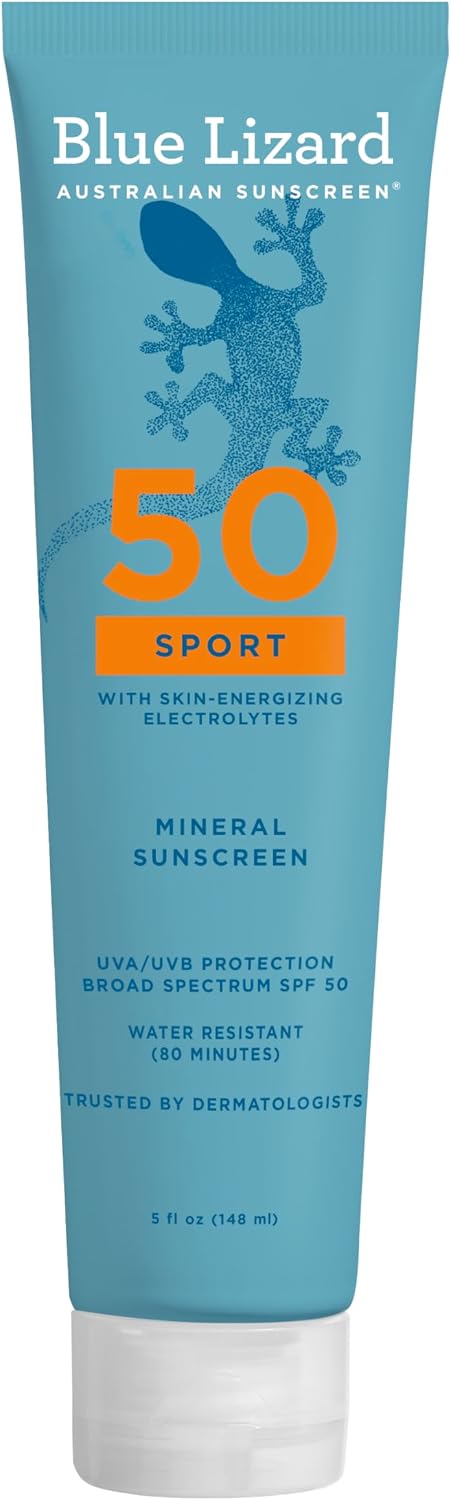
Reef-Safe Mineral Sunscreen
Aruba sits close to the equator with near-constant sun and steady trade winds that mask how much UV you’re actually getting — reef-safe formulas also protect the snorkeling spots you came for.
Trade-Wind Ready
Check Price on Amazon →

Portable Travel Safe / Lock Box
Rental car break-ins are the most common theft risk on the island — a small lockbox anchored in the trunk keeps valuables out of sight instead of stacked on a visible back seat.
Break-In Deterrent
Check Price on Amazon →

Water Shoes
Aruba’s natural pool, the rocky Arikok coastline, and volcanic rock formations aren’t barefoot-friendly the way a sandy beach is — water shoes make those spots actually enjoyable.
Reef & Rock Ready
Check Price on Amazon →

Wide-Brim UPF Sun Hat
Aruba’s dry, desert-like climate means almost guaranteed sun every day of the year — a proper UPF hat covers what sunscreen alone misses, especially on long beach or hiking days.
Desert-Island Sun
Check Price on Amazon →

Waterproof Dry Bag
Catamaran trips, snorkeling excursions, and windy beach days are standard on Aruba — a dry bag keeps a phone and cash both dry and out of sight while you’re in the water.
Boat & Beach Ready
Check Price on Amazon →
Find Flights to Aruba
Frequently Asked Questions
Is Aruba actually safe to visit?
Yes — the US State Department rates it Level 1, its lowest risk category, the same tier as Switzerland and Japan. The realistic risk for tourists is petty theft (rental car break-ins, phone snatching on busy beaches), not violent crime.
Do I need a visa to visit Aruba?
Most US, Canadian, UK, and EU passport holders don’t need a visa for short tourist stays and just need a valid passport plus Aruba’s online ED (Embarkation-Disembarkation) card, completed before arrival. Confirm current requirements for your specific passport before booking, since rules can change.
Does Aruba get hit by hurricanes?
Rarely. Aruba sits outside the main Atlantic hurricane belt, which is a real part of why it draws visitors year-round instead of only in a narrow safe-weather window like most of the Caribbean.
What’s the best time of year to visit?
Weather-wise, almost any time works, since there’s no real rainy or hurricane season to avoid. Budget-wise, May–June and September–November (shoulder and low season) offer the same climate at 30–50% lower prices than the December–April peak.
The Bottom Line
Aruba’s growth isn’t a trend that’ll fade — it’s a genuinely safe, genuinely weather-reliable island backing up its reputation with real visitor numbers and real new hotel investment. Pick Palm Beach for convenience and energy, Eagle Beach for a quieter upscale stay, or San Nicolas for a lower-cost, more local base, take the same basic precautions you’d take at any beach destination, and book shoulder season if price matters more than peak-season buzz.